

Bhutan
Bhutan: The Last Surviving Shangri-La
Trips
12-Day Bhutan Cultural Tour
12 days
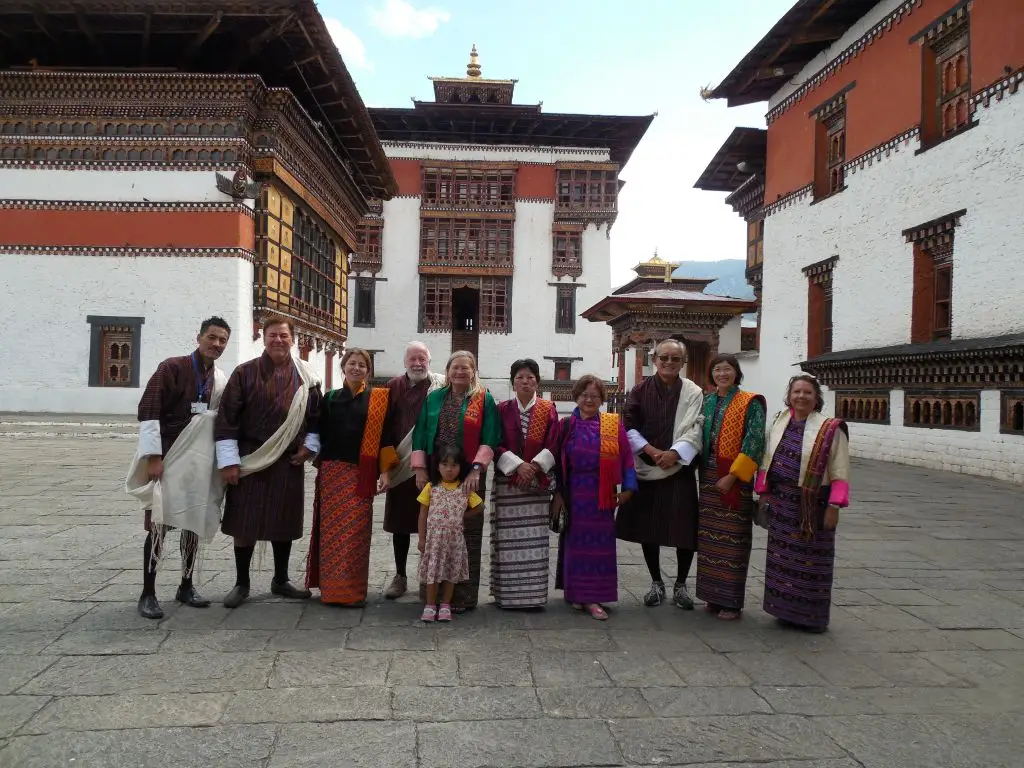
9-Day Travel Agent FAM Tour to Bhutan
9 days

11-Day Paro Tshechu Festival Tour 2027
11 days
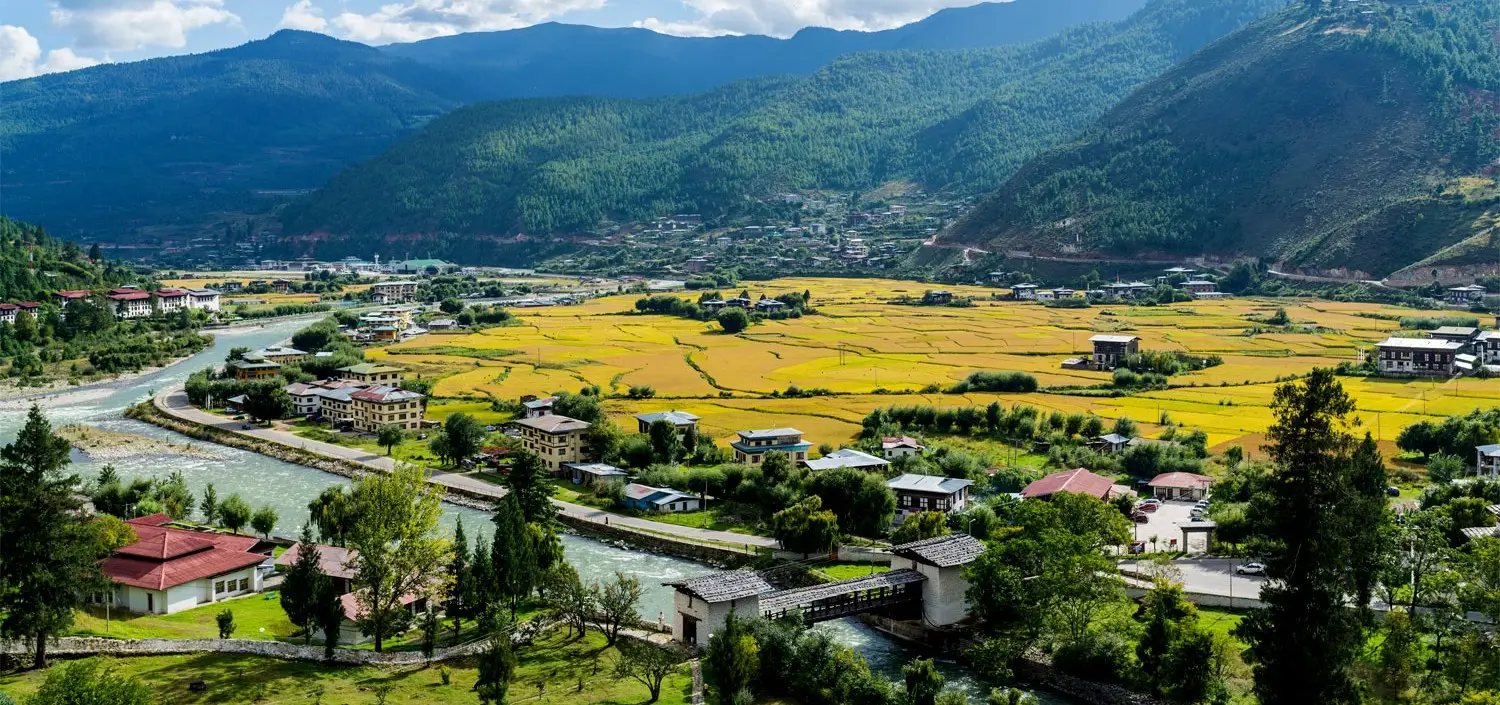
14-Day Bhutan, Nepal and Tibet in One Adventure
14 days

10-Day Bhutan Samtengang Winter Trek & Tour
10 days

4-Day Glimpses of Bhutan
4 days

11-Day Thimphu Tshechu Festival Tour with Gangtey Tshechu
11 days

12-Day Bumthang Cultural Trekking
12 days

14-Day Sikkim & Bhutan Tour: Twin Kingdoms of the Eastern Himalayas
14 days
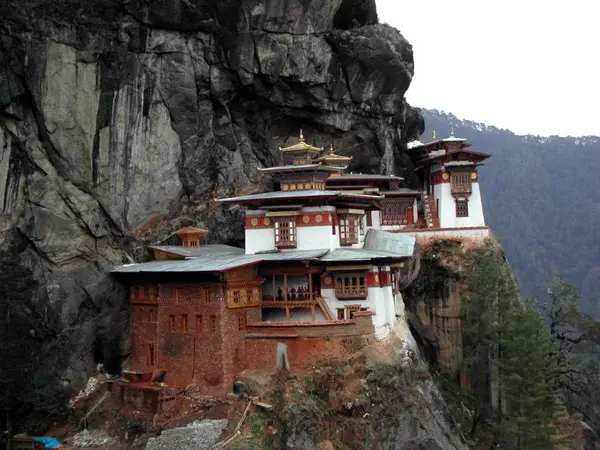
5-Day Bhutan Sojourn
5 days

14-Day Ultimate Nepal & Bhutan Escape
14 days

11-Day Druk Path Trek: Paro to Thimphu, Bhutan
11 days

6-Day Bhutan Cultural Tour
6 days

11-Day Jambay Lhakhang Drup & Prakar Festival Tour
11 days

7-Day Bhutan Cultural Tour
7 days

11-Day Ura Yakchoe Festival Tour with Domkar Tshechu 2027
11 days
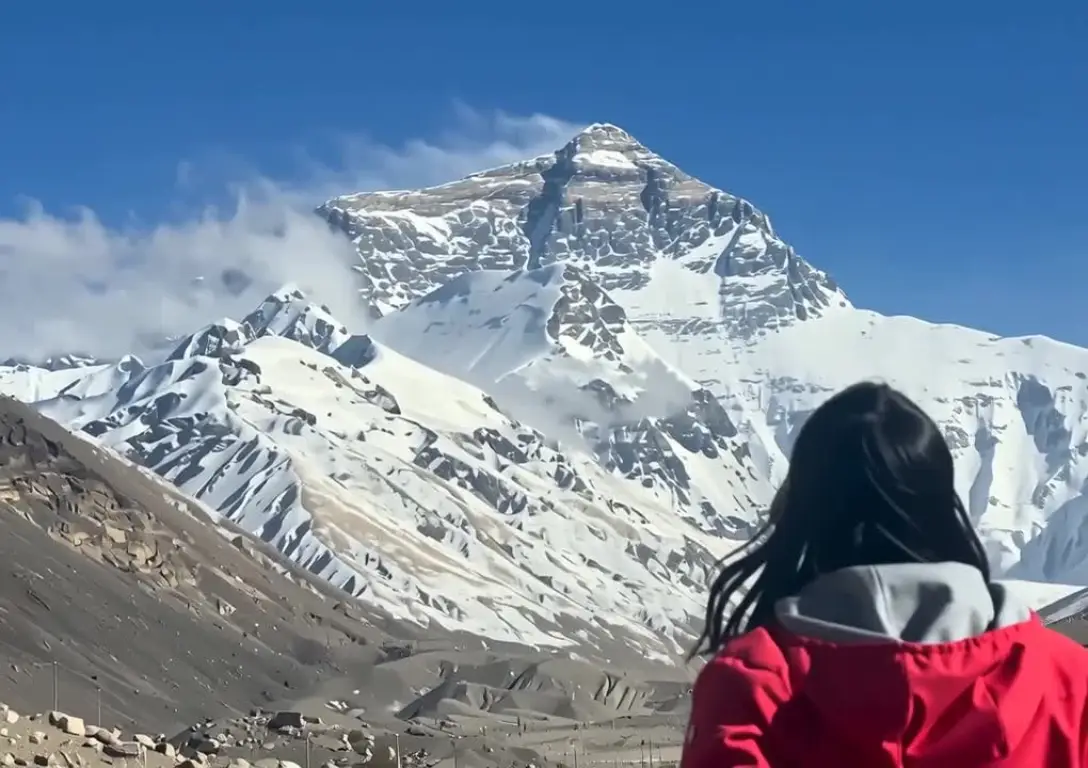
14-Day Tibet and Bhutan Tour with Everest Base Camp
16 days

10-Day Dagala Thousand Lakes Trek
10 days

10-Day Enchanting Punakha Tshechu Festival Tour 2027
10 days
8-Day Bhutan Tour: Paro, Thimphu, Punakha & Phobjikha
8 days

10-Day Western and Central Bhutan Highlights Tour
10 days

11-Day Mystic Nimalung & Kurjey Tshechu Tour of Central Bhutan (9 June, 2027)
11 days

14-Day Trashigang Tshechu & Mongar Tshechu Festival Tour
14 days

11-Day Bhutan Cultural Walking Tour
11 days

14-Day Across Bhutan: West to East Traverse
14 days

12-Day Surreal Bhutan
12 days
Discover the magic of the Himalayas with our handcrafted Bhutan tours, scenic treks, and immersive festival journeys. Whether you are planning a private Bhutan trip or looking for a carefully designed travel package, our itineraries offer an authentic introduction to the legendary Land of the Thunder Dragon.
Cradled in the eastern Himalayas between India and Tibet, the Kingdom of Bhutan, known natively as Druk Yul, is renowned for its remarkable landscapes, living Buddhist traditions, and strong commitment to cultural and environmental conservation. Bhutan’s unique approach to development places Gross National Happiness alongside economic growth, emphasizing spiritual well-being, cultural preservation, environmental stewardship, and sustainable development.
More than 70% of Bhutan’s land area remains under forest cover, creating a spectacular landscape of pine and rhododendron forests, deep valleys, alpine rivers, and high Himalayan peaks. From exploring ancient fortress-monasteries (dzongs) and crossing mountain passes to witnessing vibrant Tsechu festival mask dances, our expert local guides and thoughtfully planned itineraries help travelers experience Bhutan’s culture, landscapes, and traditions in a meaningful way.
Travel info
Travel guide
Cultural Etiquette in Bhutan
Dress Code & Sacred Spaces (Dzongs & Lhakhangs) Modesty is Mandatory: Cover your shoulders, chest, and knees at all religious and administrative sites. Wea
Travel guide
Bhutan Currency, Payments & Connectivity
Currency & Payments Currency & Accepted Legal Tender Bhutanese Ngultrum (BTN / Nu.): The national currency, pegged 1:1 with the Indian Rupee (INR). Indian
Travel guide
Getting into Bhutan & Away
Traveling to and from Bhutan mainly means flying through a handful of designated Asian gateway cities or entering overland from India. Due to Bhutan’s terr
Travel guide
Best Time to Travel to Bhutan
Autumn (September to November) – Peak Season for Trekking & Festivals Weather: Clear blue skies, crisp air, and optimal mountain visibility with daytime te
FAQs
Do I need a visa or permit to enter Bhutan?
For most international travelers, yes, you need a Bhutan visa or an applicable entry permit before traveling to Bhutan. The process depends on your nationality and travel circumstances.
For visitors from countries that require a visa, Bhutan's entry process includes obtaining Visa Clearance and paying the applicable Sustainable Development Fee (SDF). The visa is generally processed before arrival, and travelers should have their approved documentation ready when checking in for their flight and entering Bhutan.
Visitors from India, Bangladesh, and the Maldives follow a different entry-permit process rather than the standard tourist visa process. Requirements and fees can vary by nationality and may change, so travelers should confirm the current requirements applicable to their passport.
Do I Have to Apply for the Visa Myself?
No. You can arrange the visa process yourself through Bhutan's official immigration system, but many travelers prefer to have a tour operator handle it as part of their trip arrangements.
When you book your Bhutan journey with Far & High Adventure Travel, we can coordinate the visa application, SDF payment, and supporting travel documentation on your behalf. We also help arrange your accommodation, transportation, certified guide, and other required travel services, so you do not have to manage each part of the process separately.
Important: Entry requirements, visa procedures, fees, and SDF rules can change. We confirm the requirements applicable to your nationality and travel dates as part of the trip-planning process.
What's the deal about Bhutan Sustainable Development Fee (SDF) a.k.a. government royalty?
Bhutan's Sustainable Development Fee (SDF) is a mandatory nightly tourism levy that supports the country's environmental conservation, cultural preservation, infrastructure, healthcare, and education.
The current SDF is US$100 per adult per night for most international visitors. This represents a 50% post-COVID tourism incentive on the original US$200 rate, introduced to support Bhutan's tourism recovery. The promotional rate is scheduled to expire on August 31, 2027. Children aged 6–11 currently pay US$50 per night, while children under 6 are exempt. Different rates apply to Indian nationals.
Can I travel independently in Bhutan?
Yes, but with some important limitations. Bhutan allows travelers to make many of their own arrangements. You can apply for your visa, pay the Sustainable Development Fee (SDF), book your own flights and hotels, and explore towns, streets, markets, and other public areas independently.
However, independent travel does not mean unrestricted access to all of Bhutan's attractions and regions. For visits to many important cultural and religious sites, including dzongs, monasteries, and temples, travelers are required to be accompanied by a certified Bhutanese guide. A guide is also required for trekking and travel into designated remote areas. In practice, this means that while you can freely enjoy places such as Thimphu and Paro on your own, guided arrangements are necessary for many of the experiences that make a trip to Bhutan particularly worthwhile.
Why Travel with a Tour Operator?
You can certainly organize a Bhutan trip yourself, but putting all the pieces together can take considerable time and coordination. This is where working with a reliable Bhutan tour operator can add real value.
With Far & High Adventure Travel, we take care of the major logistics so you can concentrate on enjoying the journey. Depending on your chosen itinerary and travel arrangements, we can assist with:
Bhutan Visa: Handling the visa application process and required documentation.
SDF Arrangements: Coordinating payment and arrangements related to Bhutan's Sustainable Development Fee.
Hotels: Selecting and booking carefully chosen hotels that suit the itinerary, location, and travel style.
Transportation: Arranging appropriate private vehicles and drivers for Bhutan's mountain roads and daily sightseeing.
Certified Guide: Assigning an experienced local guide to accompany you where a guide is required and to provide cultural and historical insight throughout the journey.
Domestic Flights: Coordinating domestic flights when included in the itinerary and ensuring they fit with the overall travel plan.
Daily Logistics: Managing hotel check-ins, sightseeing schedules, meals, festival visits, and other practical details along the way.
Local Support: Having a local team available to help when weather, road conditions, flight schedules, or other circumstances require adjustments.
The value of a well-planned tour is not simply getting from one place to another. It is having someone who understands Bhutan's travel requirements, local logistics, cultural etiquette, transportation, accommodation, and changing mountain conditions and can coordinate these details for you.
For travelers who enjoy the freedom of independent exploration but prefer not to spend their vacation managing permits, payments, bookings, transportation, and logistics, a thoughtfully designed Bhutan tour with Far & High offers a practical middle ground: you can experience Bhutan with local guidance and support while still having time to walk through the streets, browse markets, enjoy local cafés, and explore your surroundings at your own pace.
When is the best time to visit Bhutan?
Bhutan is visitable year‑round; spring (March–early June) and autumn (September–November) offer the best combination of clear skies, mild temperatures, and festival (Tsechu) opportunities. Winter (December–February) is cold in the higher valleys, while the monsoon (mid‑June–August) brings heavy rain and restricts high‑altitude trekking.
Do I need to worry about the high altitude in Bhutan?
Altitude is something to be aware of when traveling in Bhutan, particularly if your journey includes high mountain passes, remote valleys, or trekking. Bhutan's inhabited valleys generally range from about 2,200 to 4,000 meters (7,200–13,100 feet) above sea level, with some mountain passes and trekking routes reaching considerably higher elevations.
For most cultural and sightseeing trips, however, altitude is manageable. Many hotels and towns are located in relatively lower-lying valleys, and typical sightseeing itineraries are designed with gradual changes in elevation rather than rapid ascents. Trekking itineraries may involve higher elevations and overnight stays at high-altitude campsites, so acclimatization becomes more important.
To help your body adjust:
Ascend gradually whenever possible and allow time to acclimatize before undertaking strenuous activities.
Stay well hydrated and drink water regularly throughout the day.
Take it easier during the first day or two at higher elevations, especially if you are not accustomed to mountain environments.
Avoid excessive alcohol and strenuous exercise while your body is adjusting.
Pay attention to symptoms such as headache, unusual fatigue, dizziness, nausea, or shortness of breath, and inform your guide if you feel unwell.
If you have pre-existing heart, lung, or other medical conditions, discuss your planned altitude exposure with your physician before traveling.
Altitude affects individuals differently, and previous experience at high elevations does not guarantee that you will have no symptoms on a future trip. Your guide and tour operator can also help monitor your pace and make practical adjustments when necessary.
How about vaccinations and other health considerations while in Bhutan?
Bhutan is generally a safe destination for travelers, but its mountainous terrain, varying elevations, remote regions, and limited medical facilities outside the main towns make some basic health preparation worthwhile. Your health needs will depend on your itinerary, activities, medical history, and where you are traveling from.
Vaccinations
There is no single set of vaccinations required for every traveler to Bhutan. Before your trip, make sure your routine vaccinations are up to date. Depending on your circumstances and itinerary, a travel-health professional may also discuss vaccinations such as hepatitis A, typhoid, hepatitis B, tetanus/diphtheria/pertussis, rabies, or Japanese encephalitis.
Yellow fever vaccination is not generally required because Bhutan does not have yellow fever transmission, but a certificate may be required for travelers arriving from, or transiting through, countries where yellow fever is present. Requirements can depend on your travel history and transit route, so check the current entry requirements before departure.
Altitude
Altitude is one of the more important health considerations in Bhutan. Many valleys are located at moderate to high elevations, and some mountain passes and trekking routes reach considerably higher. Ascend gradually, stay hydrated, and allow your body time to acclimatize before undertaking strenuous activities.
If you develop symptoms such as headache, unusual fatigue, dizziness, nausea, or shortness of breath at altitude, inform your guide and take them seriously. Travelers with pre-existing heart, lung, or other medical conditions should discuss their planned itinerary and altitude exposure with their physician before traveling.
Food, Water & Hygiene
Drink bottled, filtered, or properly treated water, particularly when traveling outside major towns. Be sensible about food hygiene: choose food that is freshly prepared and properly cooked, wash your hands regularly, and use hand sanitizer when soap and water are unavailable.
Bhutanese cuisine can also be quite spicy. If you are not accustomed to spicy food, let your guide or restaurant staff know so meals can be prepared with less chili where possible.
Insects, Animals & Other Considerations
Depending on the season and region, insect protection may be useful. Use appropriate repellent and consider wearing long sleeves and trousers when spending time outdoors.
Avoid touching or feeding unfamiliar dogs and other animals. Rabies occurs in many parts of the world, and exposure to an infected animal requires prompt medical attention. Travelers whose activities could involve greater animal exposure should discuss rabies vaccination with a travel-health professional before departure.
Medicines & Medical Care
Bring sufficient prescription medication for the entire trip, preferably in its original packaging, along with a copy of your prescription or medication list. Keep important medicines in your carry-on luggage when flying.
Medical facilities are available in Bhutan, particularly in larger population centers, but medical services become more limited as you travel into remote mountain regions. Serious medical conditions may require evacuation or transfer to a larger facility.
For this reason, we strongly recommend travel insurance that includes emergency medical treatment and medical evacuation, and travelers should check that their policy covers the activities included in their itinerary.
Before You Travel
Health recommendations can vary according to your nationality, travel history, season, destination, and planned activities. We recommend consulting a qualified travel-health professional several weeks before departure and checking current Bhutan entry and health requirements before you travel.
This information is provided as general travel guidance and is not a substitute for individual medical advice.
What kind of accommodations can I expect in Bhutan?
Bhutan offers a range of accommodation, from simple budget hotels and guesthouses to comfortable mid-range hotels, boutique properties, heritage-style lodges, luxury resorts, and upscale international hotel brands. Accommodation standards and facilities can vary considerably between destinations, particularly when traveling beyond the main towns.
The majority of hotels used by travelers fall into the mid-range category and are generally rated around 3 stars by local standards. These properties typically provide comfortable rooms, private bathrooms, heating or other climate-control options depending on the location and season, and on-site dining. Facilities and service levels can vary from one property to another, especially in smaller mountain communities.
In Thimphu and Paro, travelers will find the widest choice of accommodation, including internationally recognized luxury properties and upscale boutique hotels. As you travel into the central and eastern parts of Bhutan, accommodation choices become more limited. Beyond Bumthang, particularly in the more remote eastern regions, the selection of hotels is considerably smaller, with fewer boutique and upscale options. Travelers should therefore expect simpler, locally operated hotels and guesthouses in some destinations.
This variation is part of the practical reality of traveling through Bhutan's less-developed and more remote regions. The emphasis is often on a comfortable and convenient base for exploring the surrounding area rather than extensive hotel facilities.
What Accommodation Does Far & High Use?
Our regular Bhutan tours feature carefully selected mid-range boutique hotels chosen for their location, character, comfort, and suitability for the itinerary. Rather than selecting hotels based solely on their star rating, we consider the overall experience and practicality of each property.
For custom and private Bhutan tours, we can arrange different levels of accommodation according to your preferences and budget, from comfortable local hotels and boutique properties to upscale and luxury resorts or international hotel brands, where available.
If you have particular accommodation preferences, such as a luxury resort, boutique hotel, heritage property, or a specific hotel brand, let us know when planning your trip. We can build the accommodation choices around the style of travel you want to experience.
One thing to keep in mind: accommodation availability can be more limited in remote valleys, and hotel standards, room sizes, heating, Wi-Fi, dining facilities, and other amenities can vary by location. During popular travel periods and major festivals, booking accommodation well in advance is especially important.
What Can I Expect for Meals in Bhutan?
Food is an important part of traveling in Bhutan, and you will have opportunities to try traditional Bhutanese dishes as well as Indian, Chinese, Continental, and other familiar international foods. The variety of choices depends on where you are traveling, with the widest selection available in Thimphu and Paro and fewer options in smaller towns and remote valleys.
Bhutanese Food
Bhutanese cuisine is centered around rice, vegetables, chilies, dairy products, and meat, with recipes varying by region. The country's best-known dish, Ema Datshi, combines chilies with cheese and is commonly served with rice. Other dishes you may encounter include Kewa Datshi (potatoes with cheese), Jasha Maru (spiced minced chicken), momos, buckwheat-based dishes, and a variety of vegetable preparations.
Bhutanese food can be quite spicy, particularly traditional dishes. Restaurants serving international visitors can often prepare food with less chili, so let your guide or restaurant staff know your preference.
Meat, Vegetarian & Dietary Choices
Meat is available in Bhutan, although much of the meat consumed in the country is imported. Buddhist traditions influence local food practices, and the preparation and availability of meat can differ from what travelers may be accustomed to in other countries.
Meat is often served in curries, stews, and other dishes with bone-in pieces, rather than as boneless restaurant-style cuts. Vegetarian dishes are widely available, making Bhutan relatively easy to navigate for vegetarian travelers.
Vegan and other special dietary requirements can generally be accommodated, but advance notice is important, particularly when traveling to smaller towns where food choices are more limited. Travelers with serious food allergies should discuss their requirements with their tour operator in advance and communicate them clearly at each meal.
Meals During Your Bhutan Journey
On organized tours, breakfast and dinner are generally provided at the hotel, while lunch is usually arranged at local restaurants along the route or near sightseeing sites. Depending on the destination and hotel, meals may be served as a buffet or set menu.
In remote areas, the selection may be more limited than in the major towns. Festival days and busy sightseeing days may also require flexible meal arrangements based on the day's schedule and available restaurants.
Tea & Traditional Beverages
Don't miss the opportunity to try suja (butter tea), a traditional Bhutanese beverage, and ara, a locally produced alcoholic drink that may be offered in some homes or local settings. Tea, coffee, soft drinks, and bottled water are also widely available.
Overall, meals in Bhutan are part of the cultural experience. While you will find familiar food when you want it, trying local dishes gives you another way to experience Bhutan's regional traditions and everyday life.
How do I pay while in Bhutan?
Bhutan has a modern and increasingly cashless payment system, but it is still a good idea to carry some cash, particularly when traveling beyond the major towns. The local currency is the Bhutanese Ngultrum (Nu./BTN), which is pegged 1:1 to the Indian Rupee.
Credit Cards & Debit Cards
Visa and Mastercard are widely accepted in urban areas, including larger hotels, restaurants, shops, and other businesses. However, card acceptance can be less consistent in smaller towns and remote areas.
Before traveling, notify your bank that you will be using your card in Bhutan and make sure international transactions and cash withdrawals are enabled. It is also sensible to carry a second card as a backup.
ATMs & Cash
ATMs are available in the main towns and cities, and Bhutan's banks accept international Visa and Mastercard cards. However, you should not rely entirely on ATMs, particularly if your itinerary takes you into remote valleys or smaller communities where banking facilities may be limited.
We recommend carrying some US dollars or Indian rupees, which can be exchanged for Bhutanese Ngultrum at the airport, banks, larger hotels, and authorized currency-exchange businesses. Cash can be particularly useful for small purchases, local shops, drinks, tips, and other incidental expenses.
Digital & Mobile Payments
Bhutan also supports digital payment options. Visitors with a local SIM can use services such as goBoB, the Bank of Bhutan's digital wallet, which supports QR payments and can be funded using international cards.
A Practical Approach
For most travelers, the easiest approach is to use a combination of cards and cash:
Use a credit or debit card for larger purchases where cards are accepted.
Keep some Bhutanese Ngultrum available for smaller expenses and places that do not accept cards.
Carry a backup card in case your primary card is declined.
Keep some US dollars or Indian rupees as a reserve for currency exchange.
Don't wait until you reach a remote destination to obtain cash.
If you are traveling with Far & High Adventure Travel, your guide can also help you identify convenient opportunities for currency exchange and ATMs during the journey.
Tip: You do not need to carry large amounts of cash for a typical organized tour, since major trip expenses such as accommodation, transportation, and included meals are generally arranged in advance. Cash is mainly useful for personal purchases, drinks, snacks, tips, souvenirs, and other incidental expenses.
What cultural etiquettes should I be aware of when visiting Bhutan?
Bhutan has a strong Buddhist cultural tradition, and many of the places you visit, including dzongs, monasteries, temples, and festival grounds, are active religious and community spaces. A little cultural awareness goes a long way. Your guide will explain local customs and any specific rules at the places you visit, but these basic guidelines are useful to keep in mind.
Dress Respectfully
Dress modestly when visiting religious and government sites. Shoulders and knees should generally be covered, particularly inside temples, monasteries, and dzongs. Avoid revealing clothing, and carry a light layer or shawl that can be used when entering religious buildings.
During festivals, you will see many Bhutanese people dressed in their traditional gho and kira. Visitors do not need to dress in traditional Bhutanese clothing, but respectful, modest attire is appreciated.
Remove Your Shoes When Required
Follow your guide's instructions regarding footwear. Shoes may need to be removed before entering certain temples, monasteries, or sacred rooms. Do not assume that every building follows the same practice.
Be Mindful Around Religious Objects
Treat statues, paintings, prayer wheels, prayer flags, stupas, and other religious objects with respect. When walking around a stupa or other sacred monument, follow the traditional clockwise direction unless your guide advises otherwise.
Avoid touching religious objects or climbing on monuments. Prayer wheels should generally be turned clockwise, following the direction of the Tibetan Buddhist tradition.
Photography
Photography rules vary from one site to another. Photography is often restricted or prohibited inside temples and sacred rooms, even when outdoor photography is permitted. Always look for signs and ask your guide before taking photographs.
At festivals, photography is generally welcome in designated areas, but remember that the event is a religious ceremony as well as a cultural spectacle. Avoid blocking people's view, entering restricted areas, or getting so close to performers that you interfere with the ceremony.
When photographing local people, particularly monks, elders, or children, it is courteous to ask permission first.
Temples, Monasteries & Dzongs
Keep your voice low and behave respectfully when entering religious spaces. Do not sit on altars, platforms, or other areas reserved for religious use.
Some dzongs serve both religious and government functions, so certain areas may have restricted access. Follow posted instructions and your guide's directions.
Greetings & Interaction
Bhutanese people are generally accustomed to visitors, and a friendly “Kuzuzangpo La”, a traditional Bhutanese greeting, is a nice way to show respect. A simple smile and polite manner are equally appropriate.
Avoid assuming that every local person wants to be photographed or engaged in conversation. Give people their personal space and ask before taking close-up photographs.
Festival Etiquette
Tshechus and other Bhutanese festivals are important religious events, not simply performances staged for tourists. When attending a festival:
Follow your guide's instructions about where visitors may sit or stand.
Do not enter areas reserved for monks, dancers, officials, or local participants.
Avoid walking in front of performers or blocking the view of others.
Keep noise and conversation to a minimum during important ceremonies.
Dress respectfully.
Follow photography restrictions.
Treat the Thongdrel, when displayed, with particular reverence and follow local instructions regarding viewing and photography.
Food & Social Customs
If you are invited into a Bhutanese home, accepting tea or a small refreshment is generally a gracious gesture. Suja (butter tea) is a traditional drink you may be offered, although you are not expected to consume anything you cannot have.
When eating with local families or communities, follow the host's lead and avoid criticizing unfamiliar foods. If you have dietary restrictions, allergies, or cannot eat spicy food, let your guide know in advance.
A Little Respect Goes a Long Way
You do not need to memorize a long list of rules before visiting Bhutan. Be observant, dress modestly, ask before photographing people or religious activities, and follow your guide's instructions at sacred and culturally significant sites. These simple practices will help you experience Bhutan respectfully while allowing local traditions and communities to remain at the center of your journey.
Is Bhutan safe?
Yes. Bhutan is generally considered a safe destination for travelers, with relatively low levels of crime and a tourism industry that is regulated by the Bhutanese government. The U.S. Department of State currently rates Bhutan Level 1: Exercise Normal Precautions, its lowest travel-advisory level.
As with any international destination, however, travelers should take normal precautions and be aware of the particular conditions associated with traveling in a mountainous country.
Crime & Personal Safety
Crime levels in Bhutan are generally low. Petty theft and other opportunistic crimes can occasionally occur, particularly in busy areas, so the usual precautions still apply: keep valuables secure, avoid displaying large amounts of cash, and take reasonable care when out at night.
Bhutanese culture places considerable importance on local customs and traditions. Respecting religious sites, following your guide's instructions, and observing local etiquette will help ensure a comfortable and respectful experience.
Road & Transportation Safety
For most visitors, road travel is a more significant practical consideration than crime. Bhutan is a mountainous country, and roads can be narrow, winding, steep, and subject to changing conditions. Heavy rain can cause landslides and temporary road closures, while winter weather can affect higher mountain passes.
Traveling with an experienced local driver and guide is particularly useful when exploring mountain regions. We also recommend avoiding unnecessary nighttime driving, especially on unfamiliar mountain roads.
Weather, Altitude & Natural Hazards
Bhutan can experience landslides, flooding, wildfires, and earthquakes, and weather conditions can occasionally affect road and flight schedules. These are natural hazards rather than everyday safety concerns, but travelers should allow some flexibility in mountain itineraries.
Altitude is another consideration, especially on journeys involving high valleys, mountain passes, or trekking. Allow time to acclimatize, stay hydrated, and tell your guide if you experience symptoms associated with altitude.
Medical Care
Medical facilities are available in Bhutan, but emergency and specialized medical services are more limited outside the major towns. Travelers in remote areas may need to be transferred to a larger medical center if serious treatment is required.
For this reason, we recommend comprehensive travel insurance that includes emergency medical treatment and medical evacuation, particularly if your itinerary includes trekking or remote mountain regions.
Traveling with Far & High
On a guided journey with Far & High Adventure Travel, your experienced local guide and driver are with you throughout the itinerary to help with transportation, local conditions, cultural considerations, and day-to-day logistics. This is particularly valuable when traveling through Bhutan's remote mountain regions, where conditions can change quickly.
Bhutan is not without the normal risks of international travel, but with reasonable precautions, appropriate travel insurance, and an experienced local team, most visitors can enjoy their journey with confidence.