

Tibet
Tibet Tours & Tour Packages
Trips
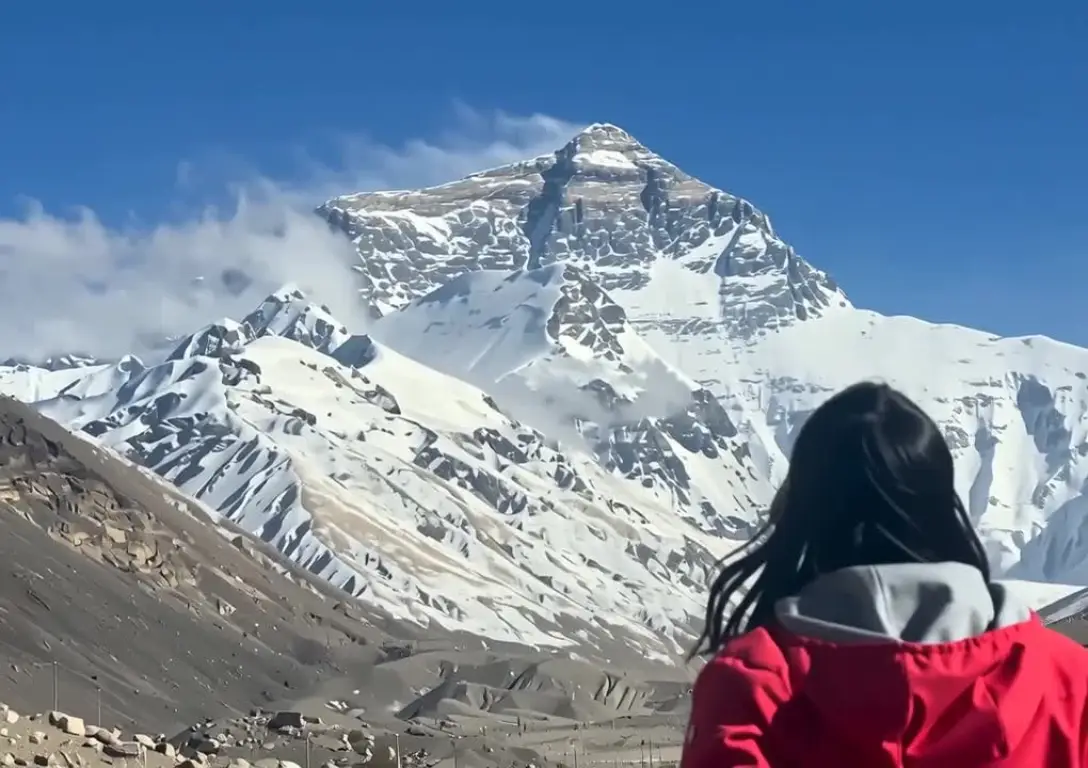


Known as the “Roof of the World,” Tibet is a land of extraordinary contrasts, where snow-capped Himalayan peaks rise above vast high-altitude plateaus, turquoise lakes reflect sacred mountains, and centuries-old monasteries preserve one of the world’s most distinctive Buddhist cultures. From the historic streets of Lhasa and the magnificent Potala Palace to the monasteries of Gyantse and Shigatse and the dramatic northern face of Mount Everest, Tibet offers a journey unlike anywhere else in the Himalayas.
Our carefully designed Tibet Tours bring together the region’s cultural heritage, spectacular landscapes, sacred sites, and remarkable overland journeys. Choose from a diverse collection of Tibet Tour Packages, including classic Lhasa and Central Tibet journeys, immersive Tibet Cultural Tours, and adventures extending across the Tibetan Plateau to Everest Base Camp and the Nepal border.
Whether you prefer the flexibility of Tibet Private Tours or the shared experience of Tibet Small Group Tours, our itineraries are thoughtfully paced to allow time for sightseeing, cultural encounters, and gradual acclimatization to Tibet’s high altitude. Longer journeys can also combine Tibet with Nepal and Bhutan, creating an unforgettable exploration of the wider Himalayan region.
Ways to travel
Travel info
Travel guide
When to Travel to Tibet
The best time to visit Tibet is from May to October, when the weather is warm, oxygen content on the plateau is at its highest, and roads across high-altit
Travel guide
Dos, Don’ts & Cultural Etiquette in Tibet
Tibetan culture is deeply rooted in Tibetan Buddhism, respect for sacred spaces, and warm hospitality. Observing local customs and religious taboos ensures
Travel guide
Altitude and Health Concerns in Tibet
Traveling to the Tibetan Plateau involves exploring elevations that average over 4,000 meters (13,120 feet), where atmospheric pressure is lower and oxygen
Travel guide
Currency, Payments, & Connectivity in Tibet
Managing money, payments, and digital connectivity in Tibet follows the systems used across mainland China, with unique considerations for high-altitude, r
FAQs
I am entering Tibet form mainland China. What travel documents do I need ?
Entering Tibet from mainland China.
Passport
You must hold a valid passport with at least six months of remaining validity beyond your return date, as well as a minimum of two blank visa pages. You can apply for an individual Chinese visa through the Chinese Embassy or your nearest Chinese Consulate. Please note that Chinese embassies and consulates do not accept visa applications by mail or online. You must apply in person, entrust someone to submit on your behalf, or hire a visa agency.
Submit your Chinese visa and a scan of your passport at least 45 days before your trip.
Please provide color scans of your passport photo page and Chinese visa no later than 45 days before your arrival in Lhasa. Our ground operator in Lhasa will then apply for your Tibet Entry Permit. An original copy of the permit will be couriered to your hotel in the gateway city three to four days prior to your flight. A digital copy will also be emailed to you; however, you must present the original permit along with your passport when boarding your flight to Lhasa.
Other documents
In addition, several other permits, such as the Alien’s Travel Permit and the Military Permit, will be arranged by our ground partner in advance. Your guide will carry all required documents for you throughout the journey.
I am entering Tibet from Kathmandu, Nepal.What travel documents do I need ?
Visa & Documentation: Entering Tibet from Nepal
Traveling into Tibet from Kathmandu requires specific permits and visas. Please review the passport and visa requirements carefully to ensure smooth entry.
Passport Requirements
Validity: Your original passport must be valid for at least 6 months beyond your planned travel dates.
Blank Pages: Must contain at least two full, consecutive blank visa pages for entry and exit stamps.
Chinese Visa Options (Individual vs. Group Visa)
Option A: Individual Chinese Visa (Strongly Recommended): Unlike past regulations, if you hold an individual Chinese Visa stamped directly in your passport prior to travel, you do not need a paper Group Visa to enter Tibet from Kathmandu.
Advantage: Allows you to enter Tibet seamlessly using your existing individual visa paired with the Tibet Travel Permit arranged by our team.
Requirements: Simply send us a high-resolution color scan of your passport photo page and valid Chinese Visa at least 45 days prior to your trip departure date.
Option B: Chinese Group Visa (From Kathmandu): If you do not hold an individual Chinese visa, a paper-based Chinese Group Visa can be arranged through the Chinese Embassy in Kathmandu upon arrival.
Important Note: Processing requires at least 5 working days before your Tibet entry date while your original passport is submitted to the embassy. Due to the processing timelines, obtaining an individual Chinese Visa in advance is always the preferred and most convenient option.
Tibet Permits & Required Submissions: To process your official travel authorization, we require the following documents no later than 45 days before your arrival date:
Color Scans Required: Clear, high-resolution color scans of your passport photo page and Chinese Visa.
Permit Processing: Our ground team in Lhasa uses these documents to secure your official Tibet Travel Permit (TTP).
Additional Required Permits (Handled Automatically)
Depending on your exact itinerary, including overland travel to Mount Everest Base Camp, additional regional authorizations are required:
Alien’s Travel Permit (for travel in restricted regions outside Lhasa, such as Shigatse and EBC)
Military & Border Permits (for border transit zones)
Stress-Free Logistics
You do not need to apply for these additional permits yourself. Our local team arranges all documentation in advance, and your certified Tibetan guide will carry and manage all original permit paperwork throughout your journey.
Can I travel to Tibet independently?
No. All foreign travelers must join an organized tour arranged through a licensed travel agency. A private vehicle, driver, and certified tour guide are required for the entire duration of your stay in Tibet.
What is a Tibet Travel Permit (TTP)? How I obtain it?
The Tibet Travel Permit (TTP), also known as the Tibet Entry Permit or TTB Permit, is the official government document issued by the Tibet Tourism Bureau that allows non-Chinese passport holders to enter and travel within the Tibet Autonomous Region (TAR).
Because independent travel for international tourists is restricted in Tibet, the TTP serves as your primary authorization to enter the region alongside your passport and Chinese Visa.
Passport + Chinese Visa + Tibet Travel Permit (TTP) ──► Board Flight/Train to Tibet
Key Facts About the Permit
What It Looks Like: A physical two-page document. Page 1 details your fixed itinerary and entry dates; Page 2 lists your personal details (full name, passport number, nationality).
Where It Is Checked: You must show the physical permit (or an official color copy, depending on your route) when boarding flights or trains to Lhasa, checking into hotels, and passing through security checkpoints along highways like the G318 to Everest Base Camp.
Fixed Itinerary: The permit strictly binds your travel to the exact route, dates, and cities approved by the bureau.
How and Where Can You Get It?
You cannot apply for or purchase a Tibet Travel Permit on your own. The Tibet Tourism Bureau does not accept individual applications directly from independent travelers, nor can you obtain one at a Chinese embassy, consulate, or border entry post.
Step 1: Book Tour Package with a local travel agency or their overseas partner such as Far & High Adventure travel
Step 2: Submit Passport & Chinese Visa Scans (45+ Days Prior)
Step 3: Agency Submits Application to Tibet Tourism Bureau
Step 4: Permit Issued ──► Delivered to your Hotel in China (or electronic copy emailed to you and the original held at Nepal Border )
The Only Official Channel: Licensed Travel Agencies
The only legal way to get a Tibet Travel Permit is through an authorized, licensed travel agency. The permit is automatically applied for as part of your pre-arranged tour package.
Required Documents to Provide
To submit the application on your behalf, your travel operator needs:
High-Resolution Passport Scan: Color copy of your passport photo page (valid for at least 6 months).
Chinese Visa Scan: Color copy of your valid Chinese Tourist Visa (L-Visa). (Note: If you qualify for China's 15-to-30-day visa-free entry, only your passport scan is required).
Application Timeline
Standard Application Window: Submit your documents at least 30 to 45 days before your planned arrival date in Tibet. Processing typically takes 10 to 15 working days at the bureau.
How the Permit Is Delivered to You
Once approved and printed in Lhasa, how you receive the document depends on your entry gateway:
Mainland China by Flight. The original physical permit is express-mailed directly to your hotel in mainland China (e.g., Chengdu, Beijing, Shanghai) before your flight to Lhasa.
Mainland China by Train: An official color printout copy (or original, depending on the station) is emailed to you to print before boarding the Qinghai-Tibet train.
Kathmandu, Nepal (Flight/Overland):
No Advance Physical Permit Required: You do not need to receive the physical permit in advance before departing Nepal.
Boarding & Check-in: You will be sent an official electronic copy of the permit via email prior to your flight or overland departure. Simply print a copy to present at the airline check-in counter or border post.
On-Arrival Handover: Your certified Tibetan tour guide will hold your original physical permit and meet you directly upon your arrival at Lhasa Airport or the Gyirong Port border crossing.
When is the best time to visit Tibet?
• Peak Season (April–October): Mild temperatures and clear skies make this the ideal period for viewing Mt. Everest. • Best Months: May and October often offer the most stable weather and excellent visibility. • Winter (November–January): Very cold but far less crowded, with lower costs and crisp, clear Himalayan views.
How do I get to Tibet?
Getting to Tibet is straightforward once your permits are secured. Because foreign travelers cannot enter Tibet independently, all entry requires a pre-booked tour through a licensed agency to obtain the mandatory Tibet Travel Permit (TTP).
You can enter Tibet via two main gateways: Mainland China or Kathmandu, Nepal, using either flight, high-altitude train, or overland travel.
Entering via Mainland China (Most Popular)
Entering from mainland China gives you the widest range of gateway cities, flight connections, and train routes into Lhasa.
By Air (Fastest): Direct flights to Lhasa Gonggar Airport (LXA) operate daily from major Chinese hub cities, including Chengdu, Chongqing, Xi'an, Beijing, Shanghai, and Kunming. Chengdu and Chongqing offer the most frequent daily departures (approx. 2–2.5 hours flight time).
By Qinghai-Tibet Railway (Most Scenic): The world’s highest railway connects mainland China to Lhasa. While trains depart from cities like Beijing, Shanghai, and Guangzhou, the most famous and scenic segment begins in Xining. The Xining-to-Lhasa train takes about 21 hours, crossing the high Changtang Plateau and Tanggula Pass (5,072m) in pressurized carriages with soft/hard sleeper berths.
Permit Requirement: You must show your original Tibet Travel Permit before boarding any flight or train bound for Lhasa from mainland China. Your permit will be delivered to your hotel in China prior to your departure.
Entering via Kathmandu, Nepal (Trans-Himalayan Gateway)
If your travel itinerary includes Nepal, you can travel directly from Kathmandu to Tibet across the Himalayas.
By Air: Kathmandu based Himalaya Airlines operate direct non-stop flights between Kathmandu (KTM) and Lhasa (LXA) multiple times per week. This short ~1.5-hour flight offers spectacular aerial views of the Himalayan range, including Mount Everest.
By Overland Drive: You can drive overland from Kathmandu to the Tibetan border at Gyirong Port (Zhangmu Port is closed currently), crossing into Tibet to begin your journey toward Shigatse, Everest Base Camp, and Lhasa.
Visa/Permit Requirement: Entering from Nepal requires either an Individual Chinese Visa (if obtained in advance) or a Chinese Group Visa processed via the Chinese Embassy in Kathmandu, paired with your official Tibet Travel Permit.
Note: Our team manages all official permit applications (Tibet Travel Permit, Alien's Travel Permit, and Border Passes) and assists with booking your internal flights or train tickets into Lhasa.
How can I prevent altitude sickness?
If you fly into Lhasa:
Spend 3–4 nights there before traveling to higher regions, such as Everest Base Camp that gives your body time to adjust to the altitude.
Avoid strenuous activities, running, or jumping.
Drink plenty of water (3–4 liters daily) and avoid alcohol and smoking, which can worsen symptoms.
Local experts advise against showering or washing hair for the first 24–48 hours. Showering increases blood circulation and oxygen consumption, while open pores from hot water can make you more vulnerable to catching a cold, which is dangerous at high altitudes.
If you are entering overland, the key guideline is to ascend gradually, ideally gaining no more than 300–500 meters (1,000–1,640 ft) of elevation per day once you are above 3,000 meters.
Is there medication for altitude sickness?
Some travelers use Diamox (acetazolamide), a prescription medication that doctors may recommend to help reduce the effects of altitude. It’s important to consult your healthcare provider before considering it, as they can advise whether it’s appropriate for you.
Many visitors also use local herbal remedies, such as Rhodiola (Hongjingtian). These are traditionally taken well in advance, often 10–14 days before arrival, to allow time for the body to adjust.
Always follow guidance from a medical professional and listen to your body as you ascend to higher altitudes.
What about the fitness level required for a non-trekking trip to Tibet?
For a general, non-trekking trip to Tibet (e.g., Lhasa, Shigatse, and driving to Everest Base Camp), you don't need to be an athlete, but you do need a baseline level of health.
The Reality of “Walking” in Tibet
Even on a non‑trekking tour, you will still do a fair amount of walking on uneven ground and climbing stairs. Many monasteries also have optional circumambulation paths that you may choose to walk.
Basic Fitness Expectations
Cardiovascular Endurance: Your heart and lungs work harder at altitude, even at rest. If you can comfortably walk 3–5 miles on flat ground at home, you’re generally fit enough for a standard Tibet tour.
Leg Strength: Expect many staircases. Travelers with knee or hip issues may find places like the Potala Palace or Barkhor Street more challenging.
Adaptability: The biggest factor isn’t physical strength, it’s how your body responds to lower oxygen levels. Very fit people can still experience altitude discomfort, while less active travelers may adjust easily.
Preparation Suggestions
Light Cardio: About two months before your trip, begin walking or swimming three times a week.
Stair Practice: Choose stairs over elevators to prepare for monastery climbs.
Prioritize Rest: Even good fitness won’t help if you push too hard. The travelers who feel best in Tibet are the ones who move slowly and take frequent breaks.
I have heart and lung issues, as well as high blood pressure. Should I travel to Tibet?
At high altitudes like Lhasa (3,650m) and beyond, the air is much thinner, which puts significant strain on your cardiovascular and respiratory systems as they work harder to deliver oxygen to your body. Conditions like severe coronary artery disease, heart failure (NYHA class >II), or recent heart surgery are typically considered contraindications for high-altitude travel.Chronic Obstructive Pulmonary Disease (COPD), severe asthma, or pulmonary hypertension can make breathing extremely difficult in the low-oxygen environment of the Tibetan plateau. If your BP is uncontrolled, you should not travel. However, if your hypertension is mild and well-managed with medication, you may be at no higher risk than other travelers, provided your doctor clears you.
We can’t assess your medical situation, but a doctor’s guidance is essential before planning a trip like this. A healthcare professional who knows your medical history can help you understand what’s safe for you.